
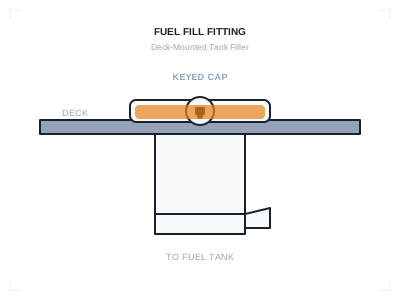
Fuel fill fittings are the deck-mounted fittings that allow fuel nozzles to be inserted from the dock or fuel dock for filling onboard fuel tanks. The fitting connects via a fuel hose to the vessel's fuel tank, providing a clean, deck-flush filling point that doesn't require opening the engine compartment or fuel locker for routine fueling.
Key design requirements include positive sealing when not in use (preventing rainwater and spray from entering the fuel system), positive identification (a clear visual indication of which deck fitting is fuel vs water vs holding-tank waste), and resistance to misfueling (where gasoline is accidentally pumped into a diesel tank or vice versa). Production boats typically use color-coded caps and visible labeling, with gasoline fills using yellow or red coding and diesel fills using black or green coding.
Keyed designs add a mechanical interlock — the fuel cap requires a specific deck-fitting key to remove, preventing accidental opening and discouraging fuel theft at unattended dock installations. Non-keyed designs use a simple threaded or quarter-turn cap that opens without tools. Keyed installations are more common on cruising vessels and commercial boats; non-keyed installations are typical on smaller pleasure craft where security is less of a concern.
Fuel fill fittings include an integrated O-ring or gasket seal at the cap, providing a watertight seal when closed. Vent provisions are typically separate — fuel tank venting requires its own dedicated through-deck vent fitting, sized appropriately for the tank's fill rate and including a flame arrestor to prevent ignition source propagation into the tank.
Material selection is dominated by marine-grade brass and 316 stainless steel. Chrome-plated brass is common for visible deck hardware where appearance matters. The internal passages and any wetted parts are designed to be compatible with both gasoline and diesel fuels, including their additives and biofuel blends. Tinned brass or stainless steel internal parts resist the corrosive effects of ethanol blends in modern gasoline.