
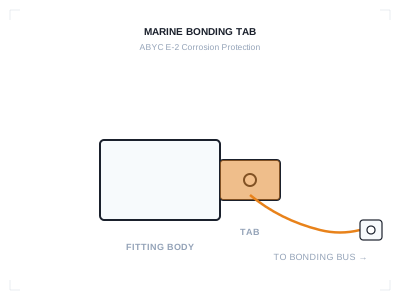
Marine bonding tabs are small metal tabs welded, brazed, or integrally cast onto below-waterline fittings (through-hulls, sea cocks, propeller shaft logs, and similar components) that provide an electrical connection point between the underwater fitting and the vessel's bonding system. The bonding system itself is a network of conductors that connects all underwater metal components to a common electrical reference point and ultimately to one or more sacrificial anodes — typically zinc, aluminum, or magnesium alloy anodes mounted on the hull, shaft, or other underwater surfaces.
The purpose of bonding is electrochemical corrosion control. Underwater metal components in a saltwater environment, especially when different metals are present, can develop galvanic corrosion cells — the more anodic metal corrodes preferentially as part of the electrochemical reaction. By bonding all underwater metals together and connecting them to sacrificial anodes (which are designed to be the most anodic component and therefore corrode first), the bonding system protects the more expensive structural and functional components from accelerated corrosion.
ABYC Standard E-2 specifies the requirements for bonding systems in recreational boats. Bonding conductors must be a minimum size (#8 AWG copper wire is typical), must be connected by approved means (typically a tinned copper lug crimped to the conductor and bolted to the bonding tab), and must form a continuous low-resistance path between all bonded components.
The bonding tab itself is typically integral to the through-hull or sea cock body — cast or forged as part of the same piece, then drilled and tapped for the bonding wire connection. This provides a permanent, low-resistance connection point that won't loosen or corrode over time.
Materials match the parent fitting — DZR brass for brass through-hulls, silicon bronze for bronze through-hulls. The bonding wire connection bolt is typically silicon bronze or 316 stainless steel for compatibility with the seawater environment.