
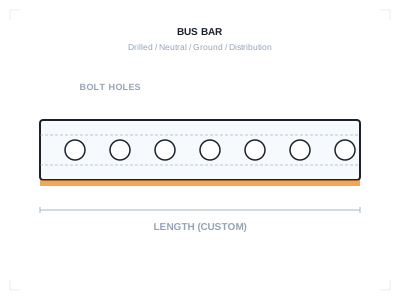
Bus bars are the solid metal current carriers used inside electrical panels, switchgear, motor control centers, and any other distribution equipment where multiple high-current cables connect to a common electrical point. The bus bar replaces what would otherwise be a complex web of individual conductors — instead, a single rectangular bar of high-conductivity metal provides a low-resistance, mechanically rigid distribution backbone that all connected conductors terminate to.
Four common bus bar variants serve different functions in a typical electrical panel. The distribution bus carries the main supply current and feeds the individual branch circuits. The neutral bus provides the common return path for all loads that share the same neutral reference. The ground bus (also called the equipment ground bus or PE bus) provides the safety ground connection point for all equipment grounding conductors. The drilled bus is a generic term for any bus bar that has been drilled and tapped (or simply through-drilled) at specific connection points along its length to accept cable lug bolts.
Material selection for bus bars is driven by both electrical and mechanical requirements. C11000 ETP copper is the standard material for high-current applications because of its very high electrical conductivity (about 100% IACS — the reference standard for copper conductivity). Aluminum 6101-T61 is used in some applications where weight matters more than conductivity, though its lower conductivity (about 57% IACS) requires a larger cross-section to carry the same current. Tin plating over copper is common where the bus will be exposed to moderate corrosion or where contact with aluminum conductors is anticipated.
Dimensional standards vary by manufacturer and application. Common cross-sections include 3mm × 12mm for small distribution panels, 5mm × 30mm for residential and light commercial subpanels, and 10mm × 50mm or larger for industrial main distribution. Length is typically specified by the customer based on the specific panel layout, with field cutting and drilling done at the assembly site for non-standard installations.